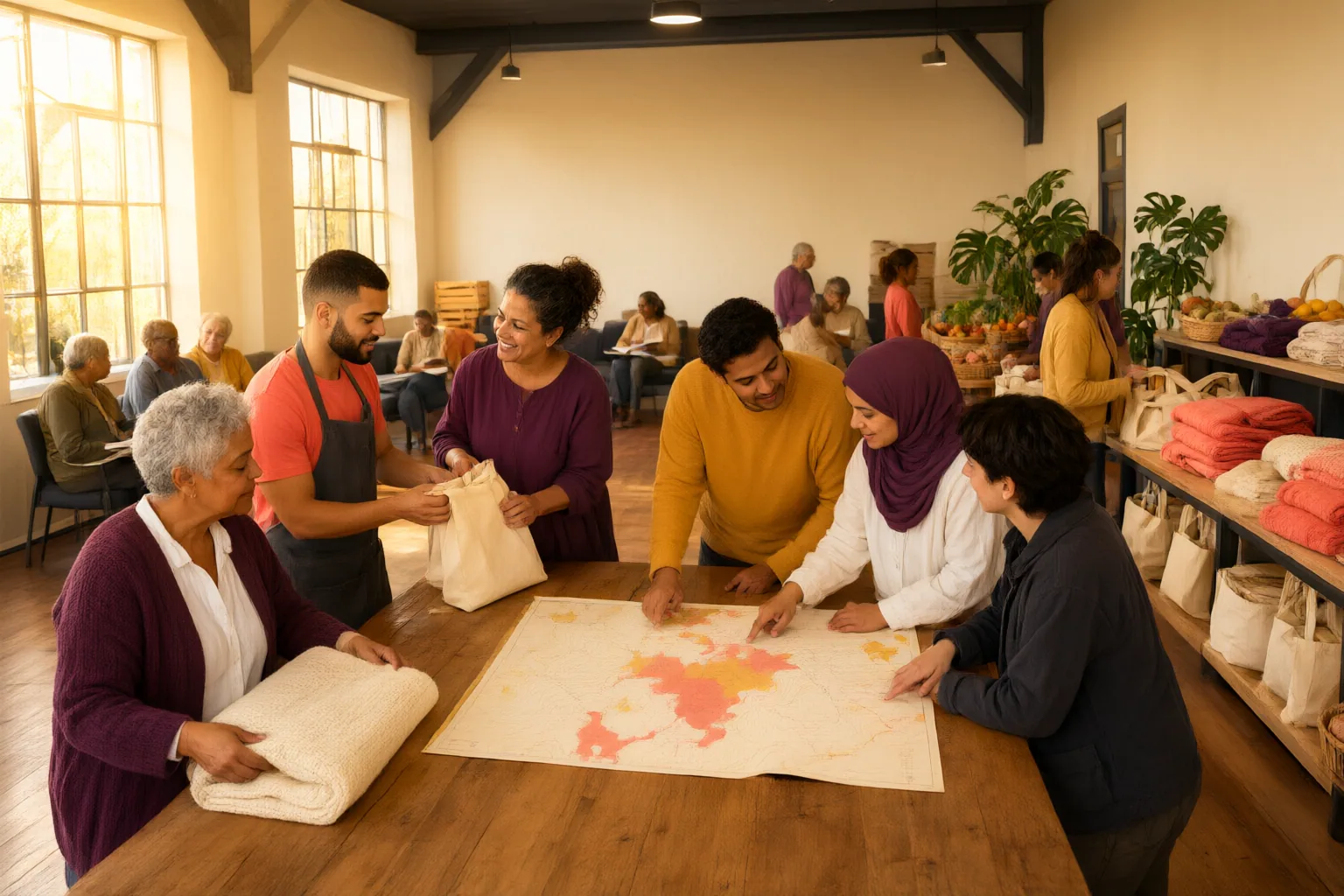
El Niño can reshape weather and disrupt transportation, power, food systems, and livelihoods. Faith communities can respond by treating forecasts as probabilities, preparing for connected hazards, and making reliable information accessible.
Why El Niño Matters in September 2026
On September 21, 2026, California’s governor proclaimed a state of emergency to accelerate preparations for possible El Niño-related storms, flooding, landslides, coastal hazards, and infrastructure disruption. The proclamation directed state agencies to stage equipment and supplies, assist local flood-risk reduction, protect vulnerable communities, and expand accessible, multilingual public information.
That action followed a September 10 report that NOAA scientists assessed a greater than 90% chance of a strong El Niño during October–December, alongside rising odds of above-average rainfall and stormier California weather. These are forecasts, not reports of impacts that have already happened. Communities should prepare for uncertainty in the timing and location of precipitation—and for connected risks such as debris flows, road closures, outages, coastal flooding, and neighborhood isolation.
How El Niño Works—and What Forecasts Can Tell Us
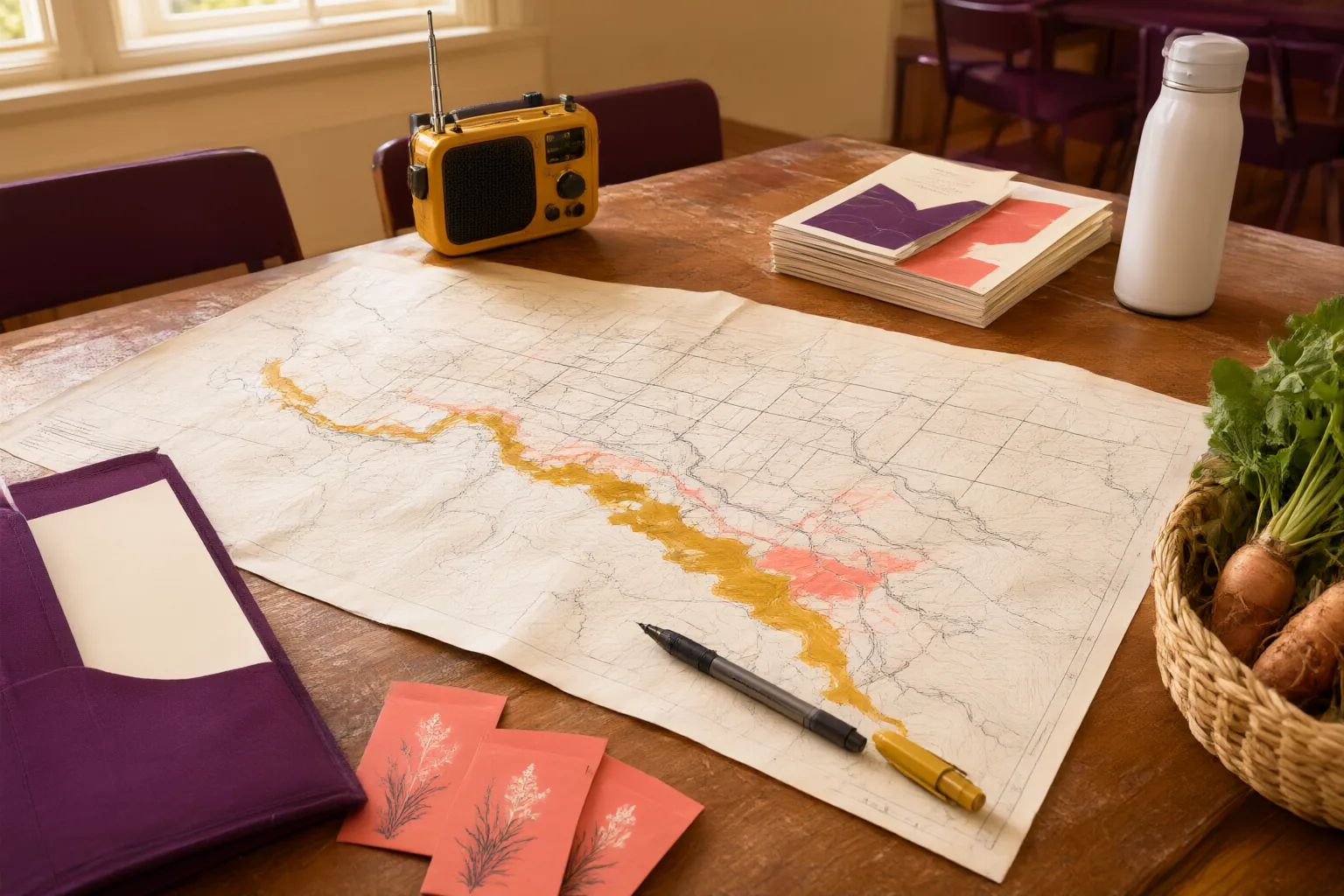
El Niño is the warm phase of the El Niño–Southern Oscillation, or ENSO. It combines warmer-than-average surface water in the central and eastern equatorial Pacific with changes in trade winds and atmospheric circulation. Episodes arise irregularly, usually every two to seven years, and typically last about nine to twelve months, although some continue longer.
By shifting atmospheric circulation and the Pacific jet stream, El Niño can influence temperature and precipitation far beyond the tropical Pacific. A typical U.S. winter pattern is wetter across parts of the South and warmer and drier across parts of the North, but no individual event guarantees those results.
NOAA tracks conditions using satellites, ships, sea-level analysis, and moored and drifting buoys. Scientists incorporate those observations into forecast models and monthly consensus assessments. Even when forecasts indicate a strong event, they cannot determine the exact amount, timing, or distribution of precipitation for every community.
The Climate-Justice Questions Faith Communities Can Address
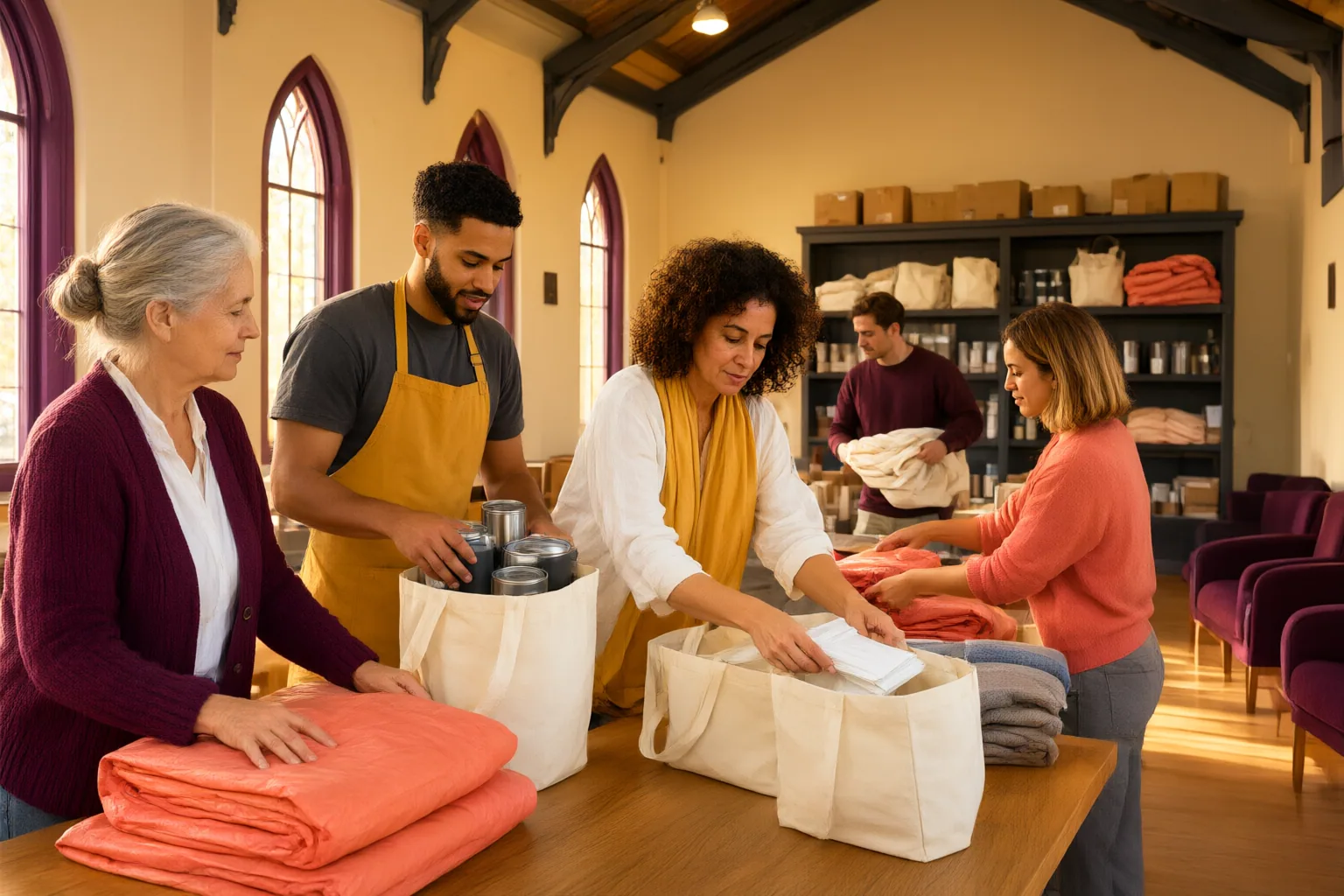
A climate-justice response begins with the practical question of who can obtain information, prepare for multiple hazards, and remain connected when roads or power fail. California’s directive to provide accessible, multilingual communications recognizes that preparedness guidance can create barriers when it is unavailable in suitable languages and formats. The supplied evidence does not establish disparities involving particular racial, income, disability, or immigration groups, so such claims should not be assumed.
The effects can also extend beyond immediate weather. ENSO-related changes may affect agriculture, fisheries, food availability, wildfire conditions, ecosystems, and economic activity. People whose food supply or livelihood depends on farming or fishing may therefore encounter consequences associated with changing rainfall, ocean temperatures, currents, nutrients, or species distribution.
El Niño itself is not caused by climate change, according to NASA. It can, however, contribute to unusually hot global years by transferring substantial heat from Pacific waters into the atmosphere. Keeping those ideas distinct supports clear public communication.
Conclusion
Faith communities can turn uncertainty into measured preparation. Follow dated official assessments, revisit plans for floods, landslides, debris flows, coastal hazards, outages, road closures, and possible isolation, and share information in accessible languages and formats. Coordinate with local authorities or trusted community partners rather than treating a seasonal forecast as a precise local prediction.
Ask your congregation or community group today to review its emergency plan, identify neighbors who could need accessible information or contact during isolation, and complete one practical step—such as organizing communications, reviewing supplies, or supporting local flood readiness.
Disclosures and limitations
- This article was prepared with AI assistance from the supplied research package and should be read with its dated source context.
- No products are recommended, and no affiliate relationship is presented.
Related reading
- Justice Topic Index
- How Faith Communities Can Approach Consent When Sharing Personal Stories About Injustice
Sources
- El Niño – NASA Science — NASA Science
- What are El Nino and La Nina? — oceanservice.noaa.gov
- Governor Newsom proclaims state of emergency to bolster statewide El Nino preparedness, protect California | Governor of California — Governor of California
- El Niño: Why chances are increasing for lots of rain this winter in the Bay Area and across California — The Mercury News
- Client Challenge — sfgate.com
- El Niño and La Niña — noaa.gov
- Understanding El Niño & ENSO — noaa.gov