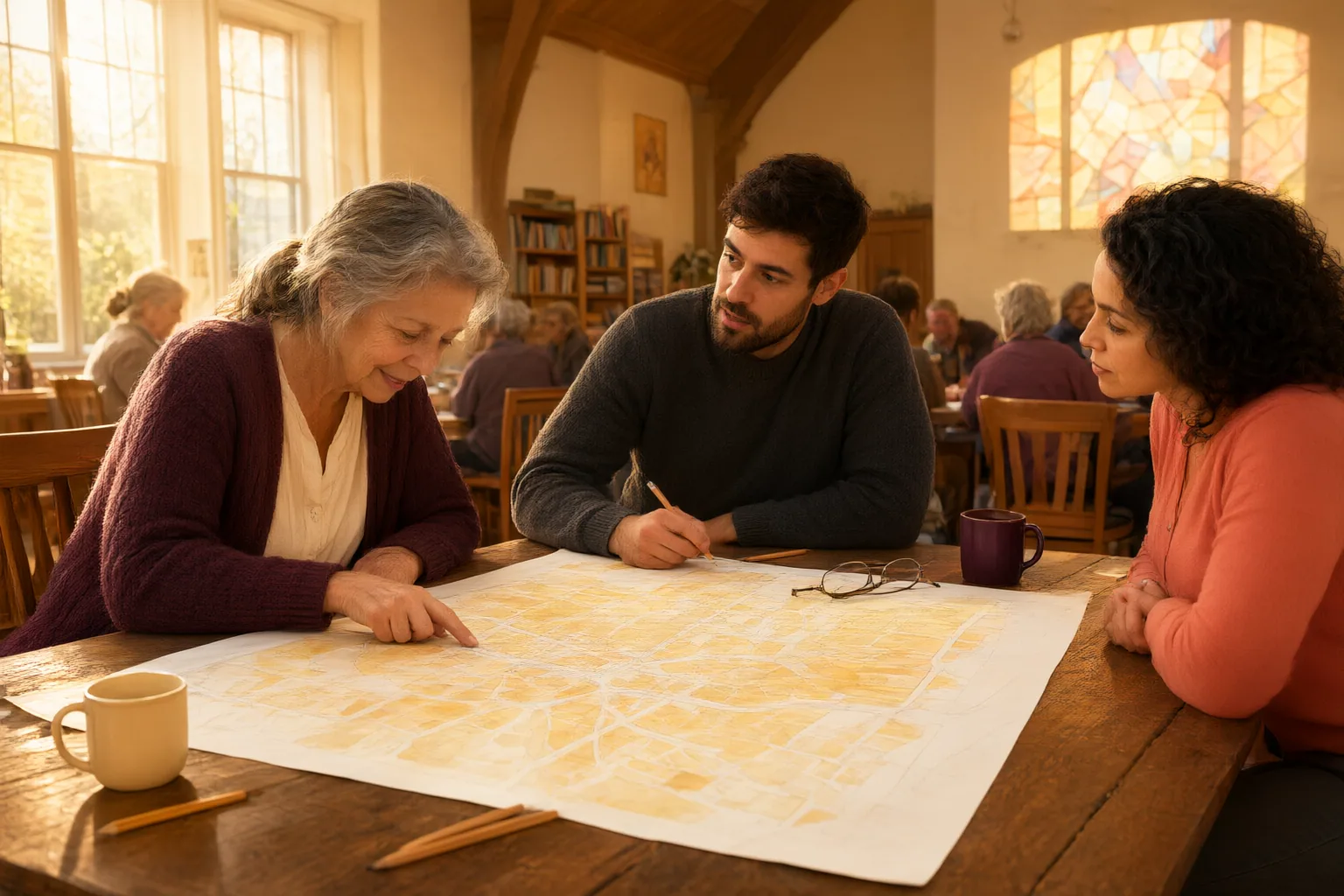
Faith communities can prepare by checking local demonstration rules, assigning clear response roles, mapping facility access, protecting accessible and emergency routes, and establishing a calm, nonviolent plan for changing conditions.
Understand Rights and Check Local Requirements
Peaceful assembly and petitioning the government are protected by the First Amendment. Those protections can coexist with content-neutral restrictions on the time, place, and manner of demonstrations when the restrictions serve significant government interests and leave other channels for expression available.
Requirements are not uniform across the United States. Permit processes and rules involving noise, traffic, access, hazards, or other safety concerns may differ among federal, state, and local jurisdictions. Organizers and facility leaders should therefore identify which jurisdiction governs the planned location and review the requirements that apply to the expected activity. This review should happen early enough to address permits, anticipated turnout, and possible hazards. The cited legal materials offer general educational guidance, not jurisdiction-specific legal advice.
Assign Roles and Map Facility Access
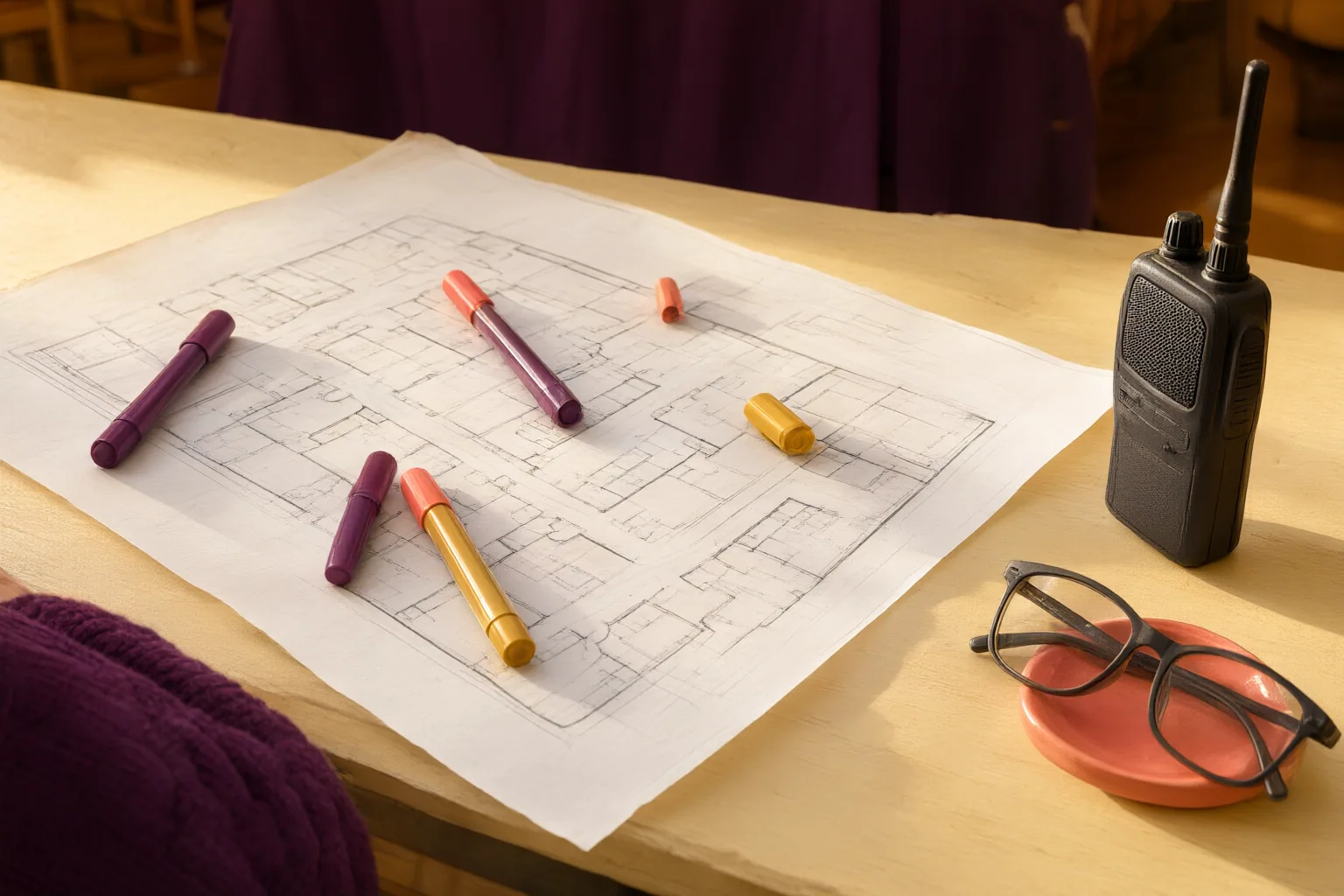
Before a demonstration occurs, designate who has decision authority and record the responsibilities of each person or team. The preparedness guidance identifies several functions to cover: leadership, communications, safety and facilities, continuity of programs, incident documentation, and coordination with emergency services. Clear assignments can reduce inconsistent decisions, unauthorized public statements, documentation gaps, and confusion during rapidly changing conditions.
Create a simple access map that distinguishes public areas, transitional areas, and restricted spaces. Clarify which sidewalks or streets are outside the organization’s control, which grounds it manages, and which interior areas are restricted. Decide how entrances and exits will be managed and how entry procedures will be communicated. Walk the routes people use to reach services, childcare, counseling, meetings, or other programs. Preserve accessible options and keep emergency exits, emergency lanes, and access to essential services unobstructed.
Prepare a Nonviolent Day-of Response
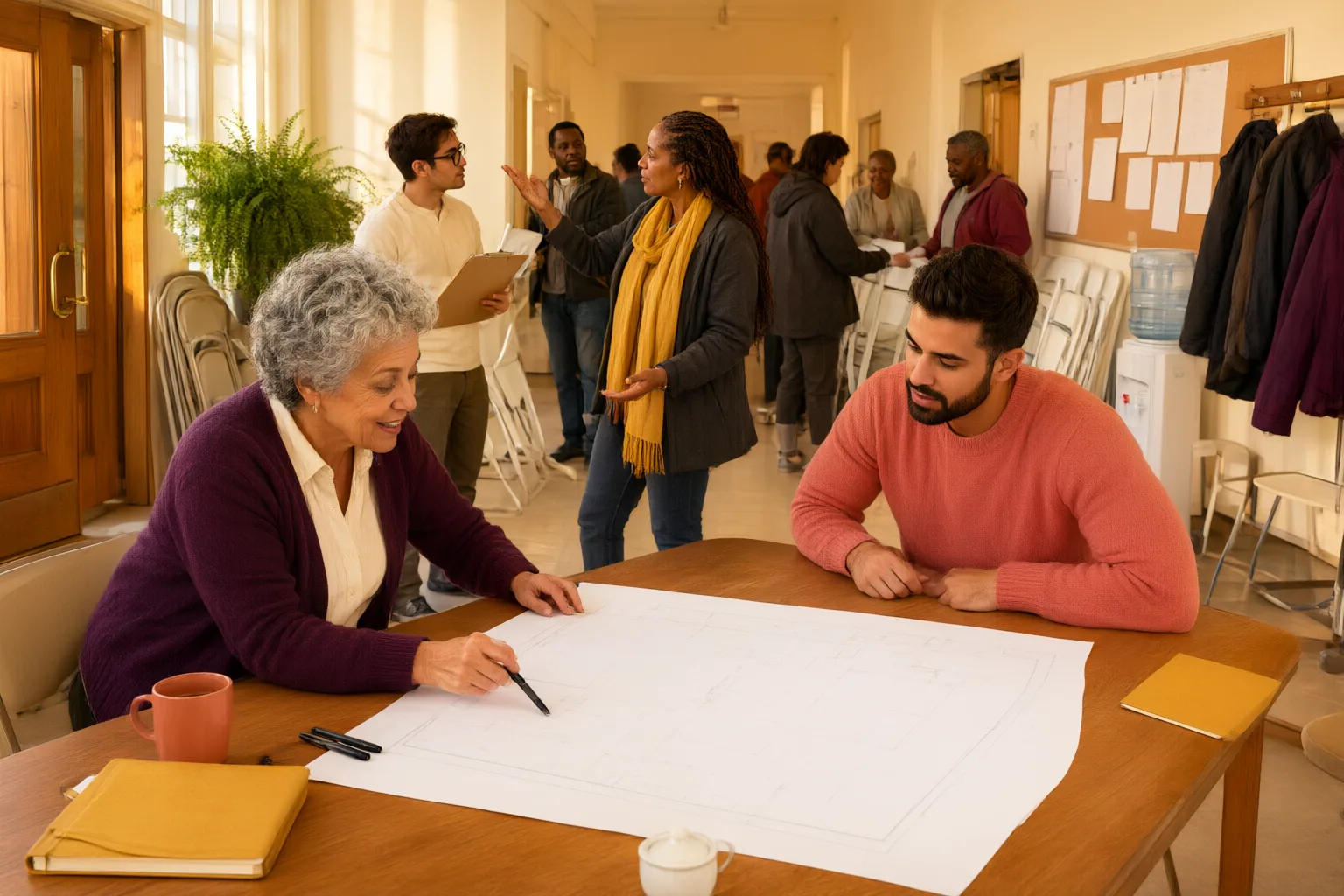
Build the day-of plan around safety and de-escalation rather than confrontation or debate. Brief the assigned team on who makes decisions, who communicates, who watches facility access, who documents incidents, and who coordinates with emergency services. Share entry procedures consistently so participants, visitors, volunteers, and program staff understand how to reach appropriate spaces without obstructing essential routes.
Conditions may change as turnout and hazards become clearer. The responsible team should have a way to communicate updates while maintaining essential activities where feasible. Documentation should record incidents without replacing the immediate priority of safety. If tension develops near the facility, follow the agreed nonviolent response plan and avoid improvising competing messages or roles. Planning for these responsibilities in advance gives leaders a shared framework for responding calmly while respecting peaceful expression and maintaining facility access.
Conclusion
Schedule a readiness meeting before a demonstration occurs. Confirm current local requirements, assign decision and communication roles, and record emergency coordination responsibilities. Map public, transitional, and restricted areas; clarify property boundaries; and walk accessible routes, entrances, emergency exits, and lanes. Then rehearse how the team will communicate changing conditions, document incidents, preserve essential programs where feasible, and respond through calm de-escalation rather than confrontation.
Disclosures and limitations
- This article was prepared with AI assistance using only the supplied research package and its identified sources. The legal information is general educational guidance, not jurisdiction-specific legal advice.
Related reading
- Spiritual Care for Courageous, Sustained Action
- How Faith Communities Can Combine Worship, Education, and Welcoming Participation
Sources
- Protest and Demonstration Preparedness Plan | Church Mutual — churchmutual.com
- The Right to Peaceful Protest and Its Legal Limits in the United States – Catalyst Legal — catalystlegal.org
- The Ultimate Guide to the Right to Protest in the U.S. — uslawexplained.com
- Planning an Inclusive and Accessible Event Guide • Glue Up — glueup.com