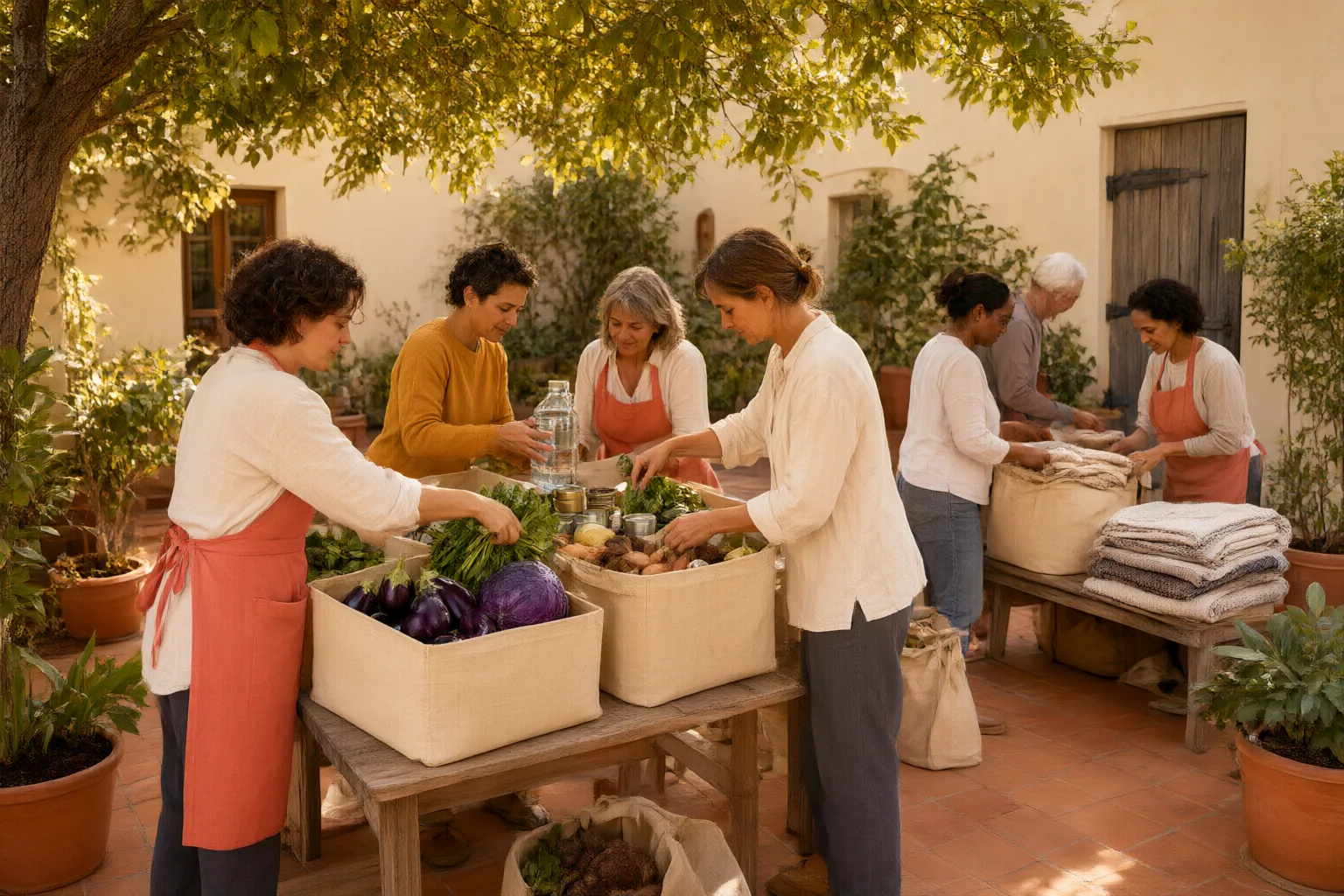
El Niño weather can shift rainfall and temperature patterns, but its effects differ by region, season, and event. During the 2026–27 event, faith communities can support climate justice preparedness by following current local guidance, identifying neighbors most exposed to floods, drought, heat, or food disruption, and making alerts and assistance easier to access.
What El Niño Weather Means in 2026–27
El Niño is marked by above-average sea-surface temperatures in the central and eastern tropical Pacific, together with weakened or sometimes reversed equatorial surface winds. These ocean and wind changes can affect weather patterns far beyond the Pacific.
In September 2026, the World Meteorological Organization reported that El Niño was firmly established, was expected to become very strong, and had a nearly 100% likelihood of continuing through February 2027. It warned of changing rainfall and temperature patterns and heightened risks of floods, drought, and extreme heat. Because that outlook was issued at a specific point in 2026, communities should consult current meteorological information before making decisions.
Why El Niño Impacts Differ by Place and Season
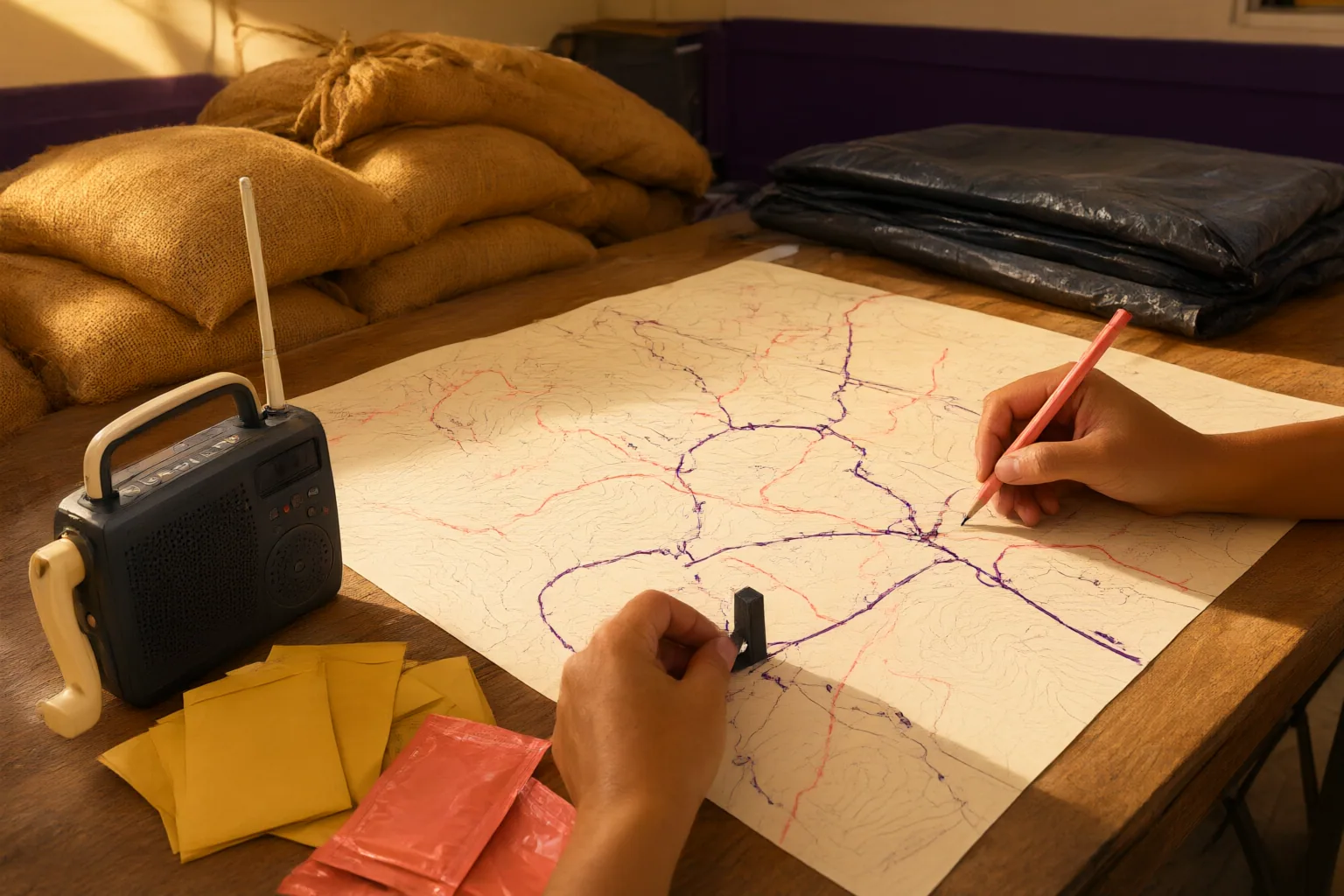
El Niño redistributes ocean heat and alters atmospheric winds, but it does not create one uniform forecast. One region may experience suppressed rainfall and greater drought or wildfire risk, while another may face increased rain and flooding. Reported examples include elevated flood risk in parts of the southern United States.
Individual events also differ in their seasonal development and their local and distant effects. NOAA therefore examines multiple indices, locations, time periods, and historical comparisons rather than treating one measurement as a complete description. Congregational planners should apply the same caution: use current regional outlooks and local emergency guidance instead of assuming that general descriptions of El Niño predict conditions in a particular community.
A Climate Justice Lens for Community Preparedness
The documented hazards extend beyond immediate weather. Past El Niño-related disruptions have affected crop yields and have been linked to higher food prices and broader economic losses. The WMO identified agriculture, health, energy, and water resources as sectors needing climate information and preparedness support.
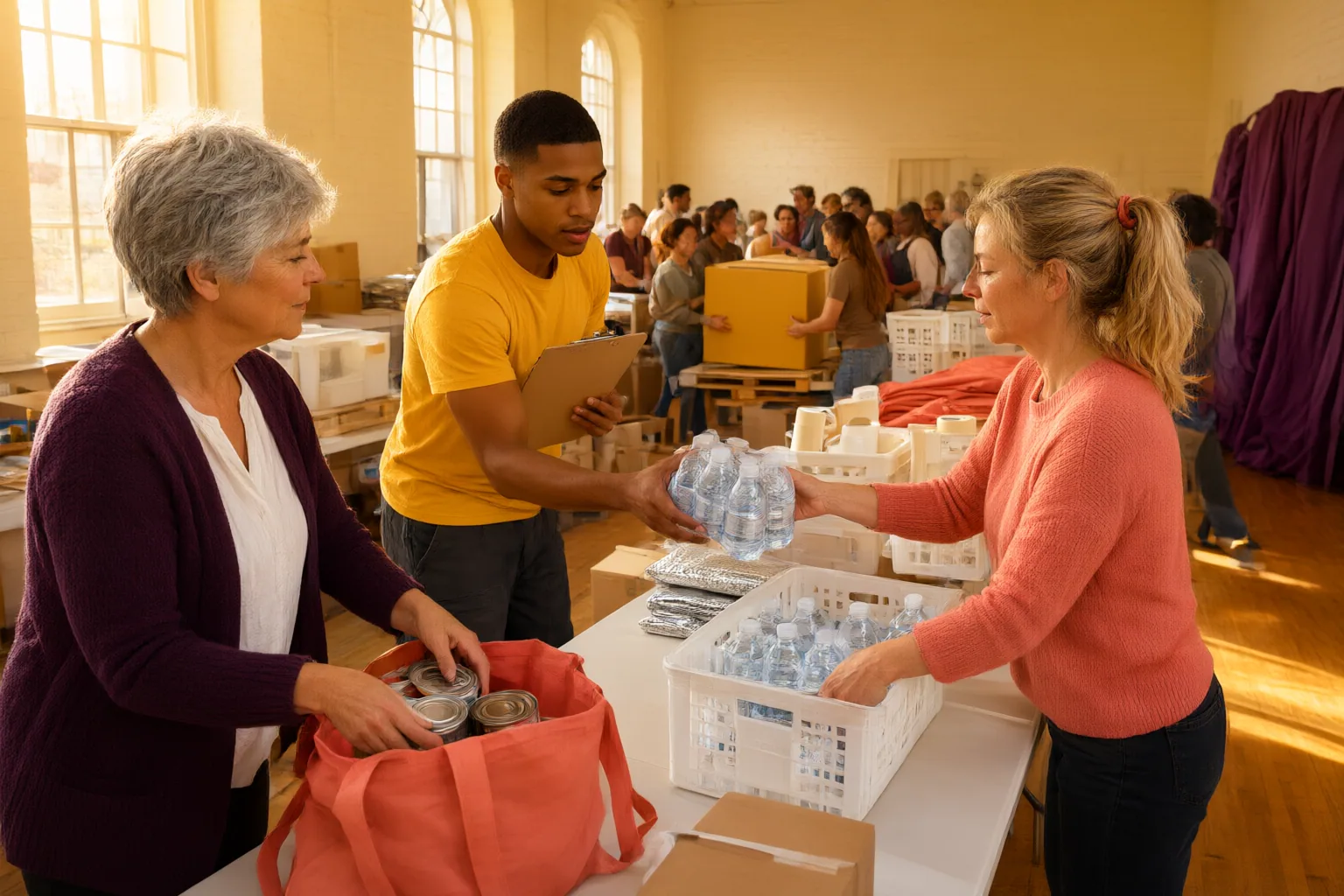
A climate justice approach asks who may have the least capacity to absorb those pressures. As practical editorial guidance, faith communities can map locally relevant hazards, identify barriers to emergency information, and plan how mutual aid might support people facing food insecurity or limited access to preparedness resources. Plans should accommodate contrasting risks—including flood, drought, extreme heat, and wildfire conditions—rather than presuming every community needs the same response. Evidence does not establish that climate change makes El Niño more frequent or stronger; the clearer connection is that these events now occur within a warmer global climate that can intensify impacts.
Conclusion
Begin with current forecasts and local government instructions, then identify which hazards matter in the congregation’s location. Decide how alerts, meeting information, and preparedness materials can reach people in accessible formats and languages. Set mutual-aid priorities around locally supported needs rather than generalized assumptions about El Niño.
Los Angeles provided one dated 2026 example: emergency officials connected the 2026–27 El Niño and atmospheric rivers with the possibility of extended heavy rain in Southern California, while offering alerts, town halls, virtual seminars—including a Spanish-language session—a hotline, and access to an earlier webinar. Those resources are not universal guidance, but they illustrate useful communication options. Check your own jurisdiction’s current resources, enroll in local emergency alerts, and convene a congregational preparedness discussion focused on neighbors most exposed to local hazards.
Disclosures and limitations
- This article was prepared with AI assistance from the supplied NOAA, WMO, BBC, and Los Angeles emergency-preparedness research sources. Forecasts and public resources are time-sensitive, so verify current official guidance before acting.
Related reading
- Justice Topic Index
- Police Officer Roles: What Faith Communities Should Check Before Local Accountability Work
Sources
- El Niño set to be 'strongest in living memory', says Met Office — BBC Weather
- El Niño: Latest Forecast, News and Impacts — weather.com
- El Niño Index Dashboard: NOAA Physical Sciences Laboratory — psl.noaa.gov
- ENSO Information for Northern California — weather.gov
- El Niño Watch 2026: Latest Forecasts Show El Niño Returning with Global Weather Impacts — Severe Weather Europe
- From 'Super El Niño' to Europe’s extreme heatwave: How this year's weather shocks are rattling commodity markets — CNBC
- El Niño set to become very strong, raising risks of extreme weather into 2027 — World Meteorological Organization
- 2023–2024 El Niño event – Wikipedia — en.wikipedia.org
- Home — Emergency Management Department
- Safety and Preparedness – weather.com — The Weather Channel