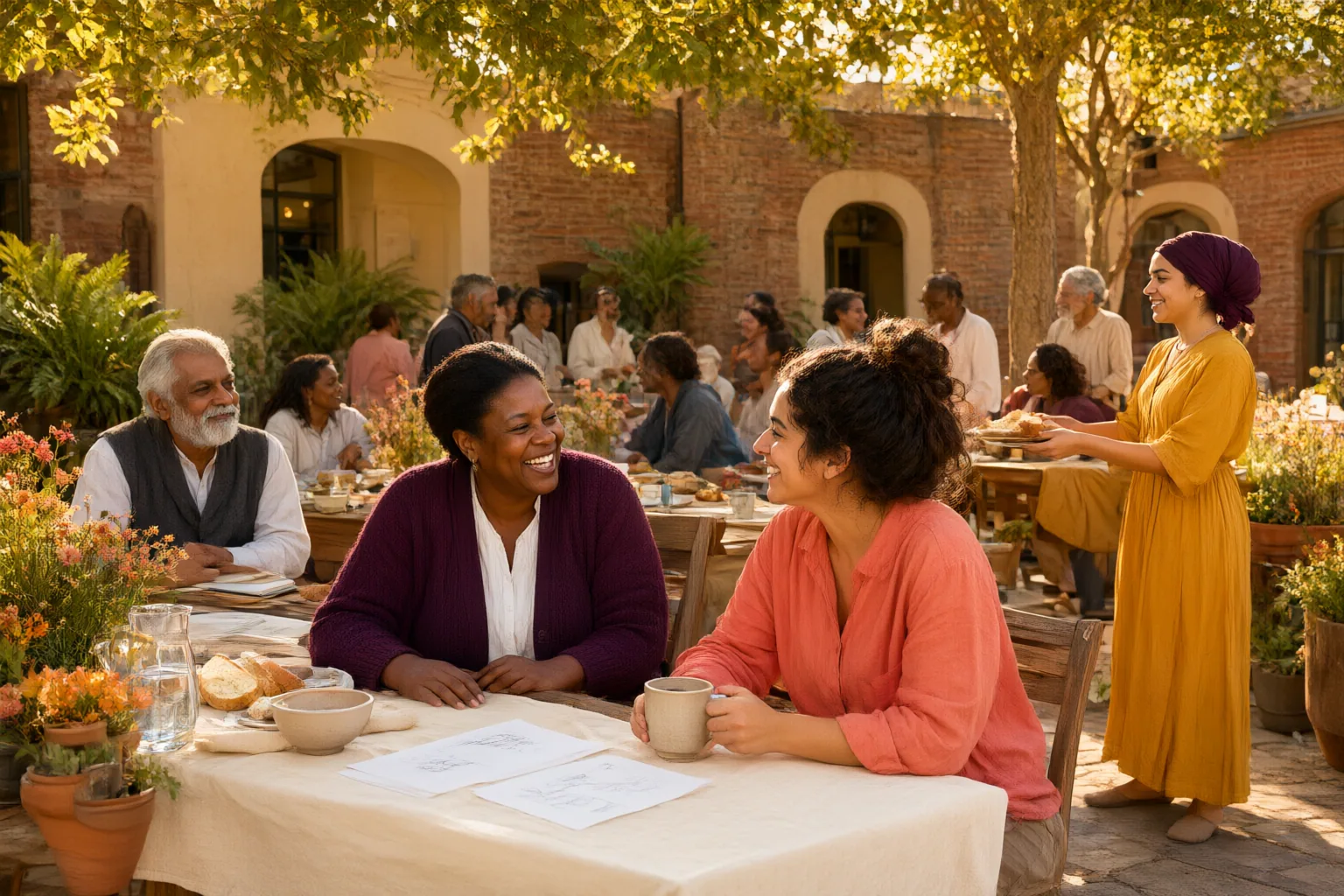
Joy and celebration can help a faith community honor shared milestones, express its traditions, and strengthen belonging alongside collective action. The available sources suggest useful possibilities rather than a proven organizing formula, so practices should be adapted to each community and evaluated through participant feedback.
What Joy and Celebration Can Contribute to Community
Celebration can give people a shared language for remembering what they value. Wpfbevents describes stories about milestones and cultural traditions as ways to encourage connection, participation, appreciation of different backgrounds, and collective identity. For faith-based organizers, this suggests that joy can be treated as part of community formation—not merely entertainment after the serious work ends.
That conclusion has limits. The source discusses community broadly and does not demonstrate that celebration improves justice campaigns. Organizers can therefore use its account as a prompt for reflection: Which milestones deserve recognition? Whose traditions are represented? Does the gathering create meaningful opportunities for participation?
A Faith-Based South African Example
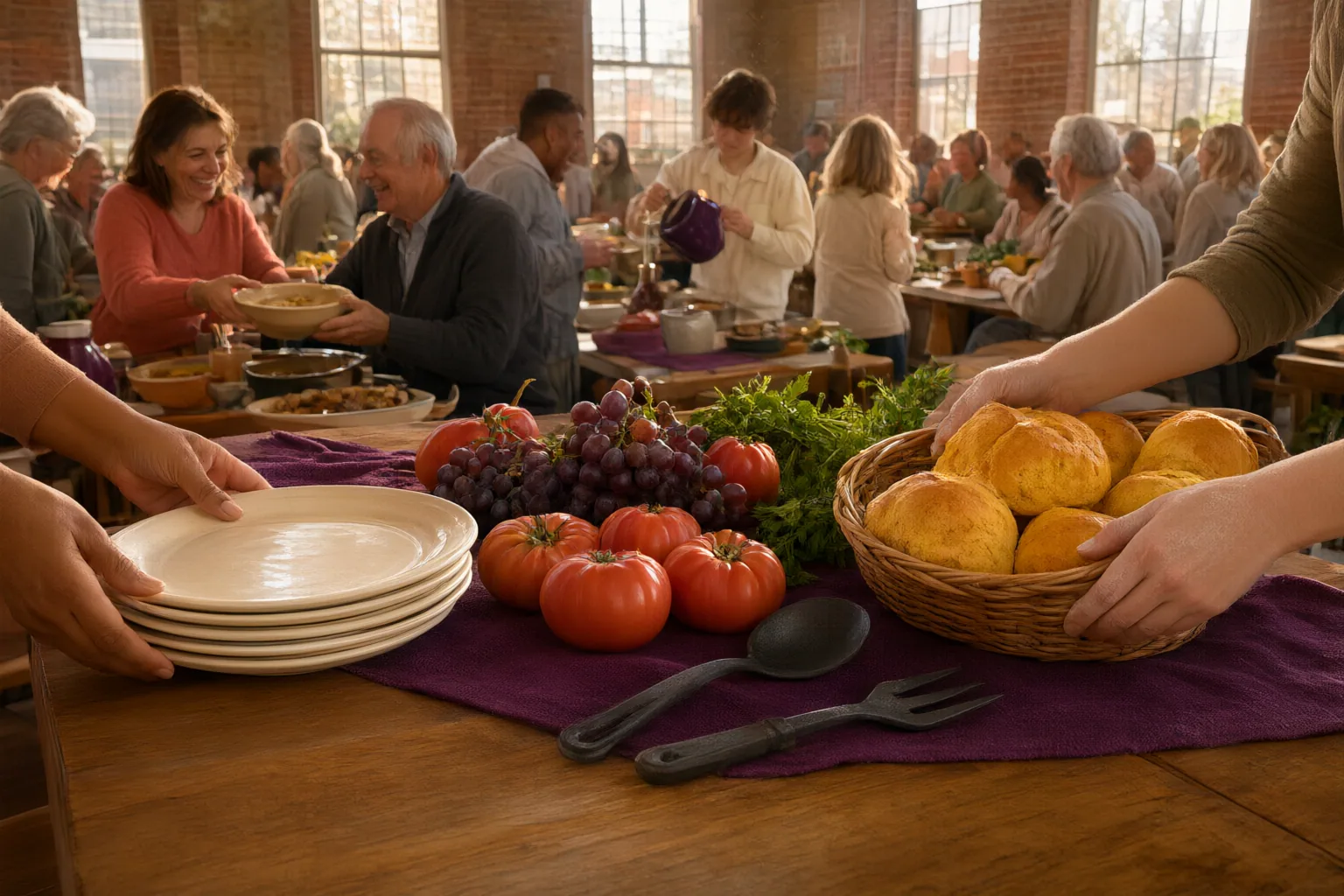
Joyous Celebration offers one bounded example of spirituality, music, and public celebration meeting a historic political moment. According to Wikipedia, the South African gospel ensemble developed from a project formed in 1994 by Mthunzi Namba, Jabu Hlongwane, and Lindelani Mkhize. The original project and event were organized to thank God and celebrate South Africa’s peaceful transition to democracy. Audience interest subsequently encouraged the organizers to continue producing albums.
This history shows how a faith-rooted cultural project can publicly connect gratitude and celebration with social change. It does not establish that music caused the democratic transition, and one ensemble cannot represent the practices of many justice movements. Its value for organizers is more modest: it illustrates how a community may interpret a major public milestone through its spiritual and musical traditions.
Practices Organizers Can Adapt Carefully
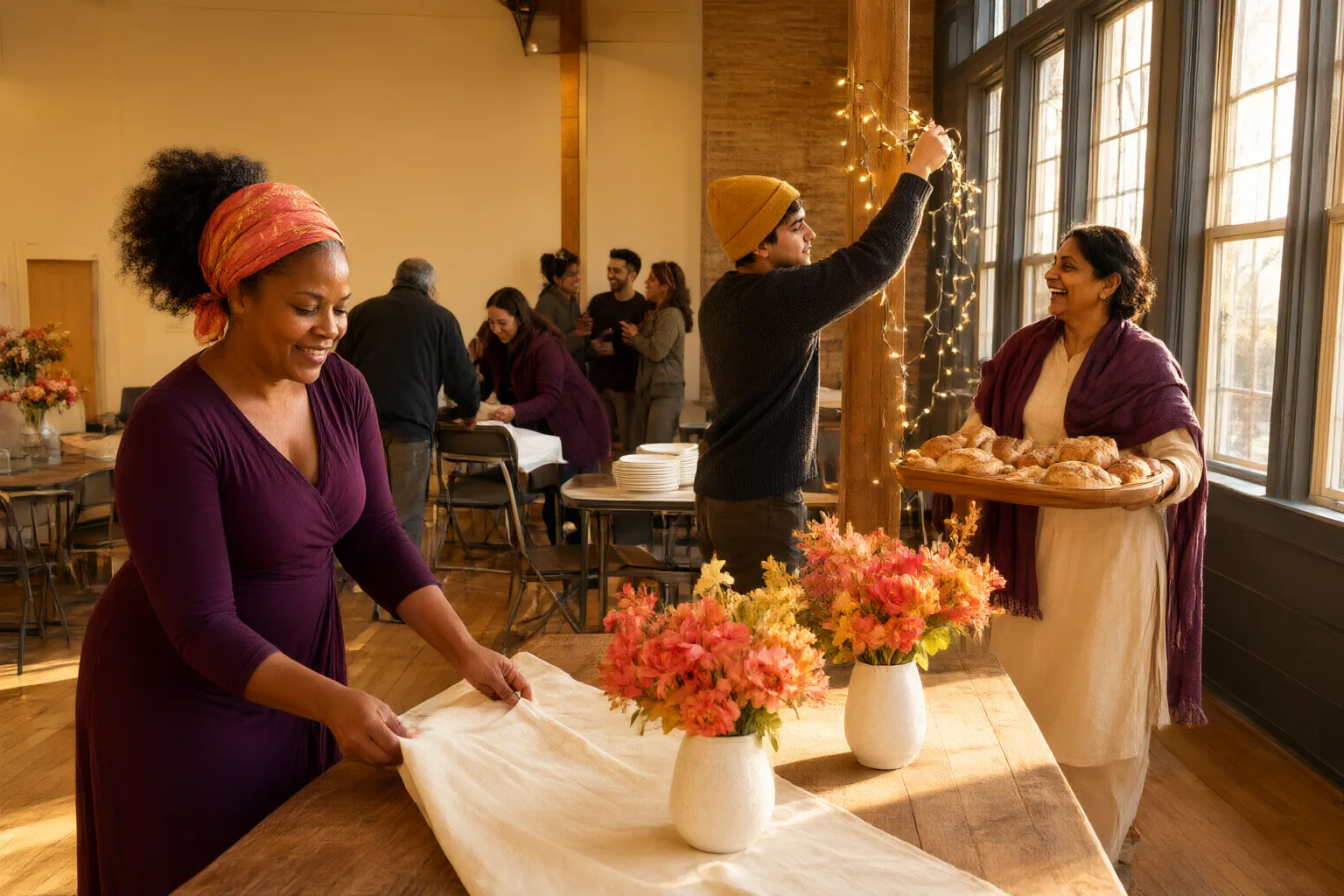
The sources support several possibilities for experimentation, though not a tested organizing method. A group might tell stories about a shared milestone, invite music rooted in its community, recognize contributions that are often overlooked, or make space for traditions from different backgrounds. Participation should be designed with the community rather than imposed as a generic performance.
A memorial for educator and accessibility advocate Joy Zabala portrays music, spirituality, creativity, justice, equality, and close relationships as interconnected parts of her life and advocacy. Because this is a biographical tribute, it cannot prove that the same combination will work elsewhere. It can, however, prompt organizers to consider the whole person: people engaged in justice work may bring creative, relational, and spiritual commitments as well as political ones.
Organizers can ask practical questions before adopting a celebratory element: Does it fit the gathering’s purpose? Is it accessible? Who gets to shape it? Does it respect grief and conflict rather than covering them? Afterward, participant feedback can help the group understand whether the practice supported connection and belonging.
Conclusion
The available evidence does not justify a universal claim that joy makes movements successful. It does suggest that celebration can express collective identity and that faith, music, creativity, relationships, and justice can coexist in public and personal life. The most responsible lesson is to begin locally and listen. Choose one upcoming gathering, design a participatory practice—such as music, storytelling, or recognition of a shared milestone—and ask participants how it affected their sense of connection and belonging.
Disclosures and limitations
- This article was prepared with AI assistance from the supplied research package. Its factual claims draw on Wpfbevents, Wikipedia’s account of Joyous Celebration, and a memorial for Joy Zabala; these sources have different purposes and do not prove that celebration causes organizing success.
- This article contains no product recommendations or affiliate claims.
Related reading
- Spiritual Care for Courageous, Sustained Action
- Planned Parenthood and Faith-Based Justice Organizing: Questions for Congregations Considering Action
Sources
- Celebration Stories: The Power of Joy, Community, and Shared Experiences – Wpfbevents — Wpfbevents
- Joyous Celebration – Wikipedia — en.wikipedia.org
- Memoriam | Joy Zabala Site — Joy Zabala Site