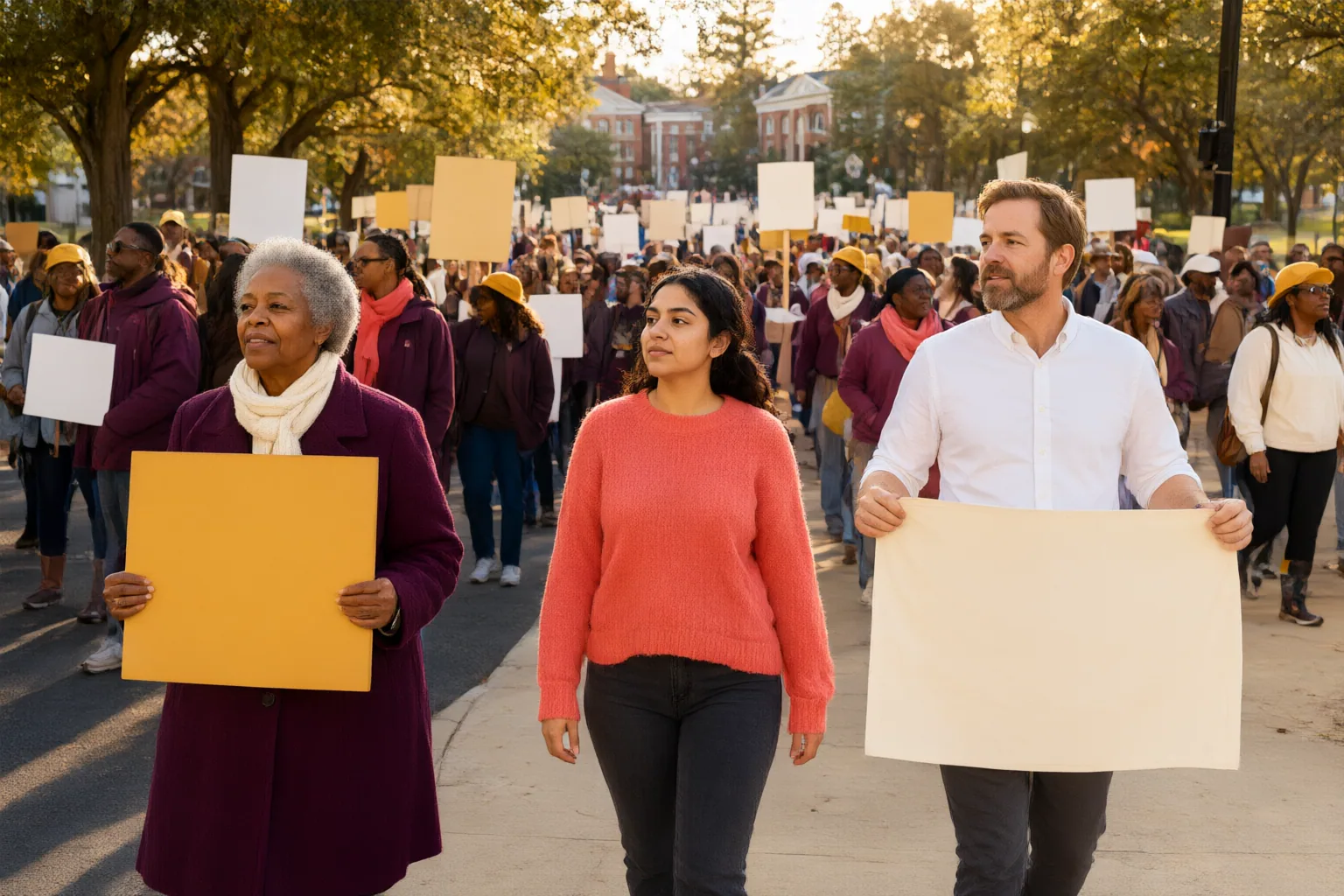
The Mass Moral March in Raleigh on February 8, 2014, was a major public expression of the wider Forward Together and Moral Monday movement, bringing a broad coalition and interconnected justice concerns into view.
What happened in Raleigh on February 8, 2014
The Mass Moral March took place in Raleigh, North Carolina, on February 8, 2014. An Institute for New Economic Thinking profile, recounting an estimate from USA Today, says approximately 80,000 people participated. Because the original USA Today report is not included in the available research, that number should be understood as a secondary-source estimate rather than an independently verified count.
The event also received same-day attention from Common Dreams, which published a report titled “Tens of Thousands in ‘Mass Moral March’” on February 8. The available material supports the report’s title, publisher, and date, but not further details from its article body. Together, these sources establish the march’s date and document contemporary and later descriptions of its substantial attendance.
How Moral Monday led to the march
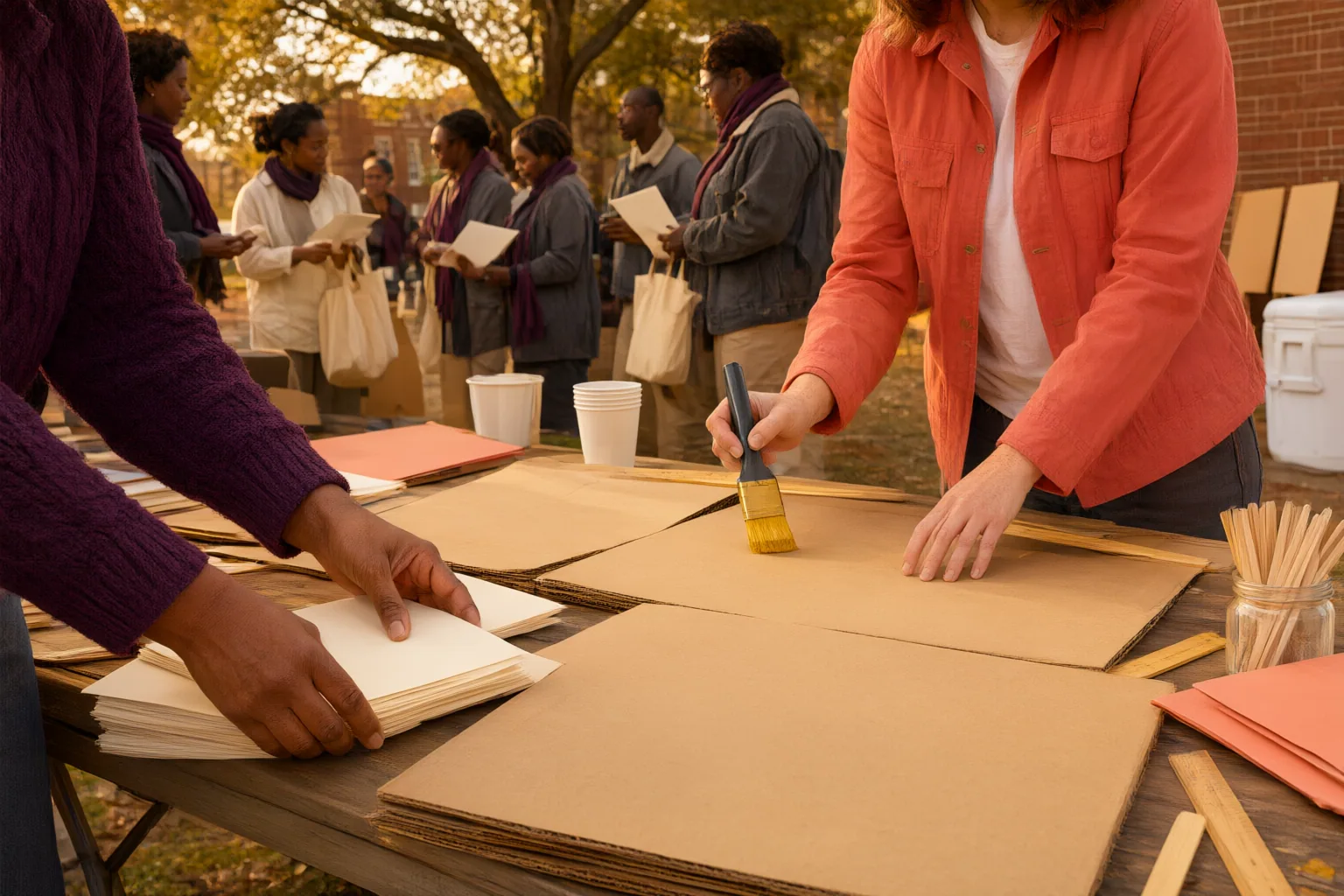
The march emerged from organizing that was already underway. According to the Institute for New Economic Thinking profile, the Moral Monday protests began in 2013 and drew tens of thousands of participants. The profile also says more than 1,000 people were arrested in civil-disobedience actions.
These details place the 2014 gathering within an ongoing movement rather than presenting it as an isolated event. The earlier protests had created a recognizable Moral Monday identity and a shared setting for public action. The available sources do not provide a complete chronology of the organizing between the first protests and the Raleigh march, so the documented figures should not be expanded into unsupported claims about particular leaders, tactics, or individual experiences.
The coalition and causes behind the mobilization
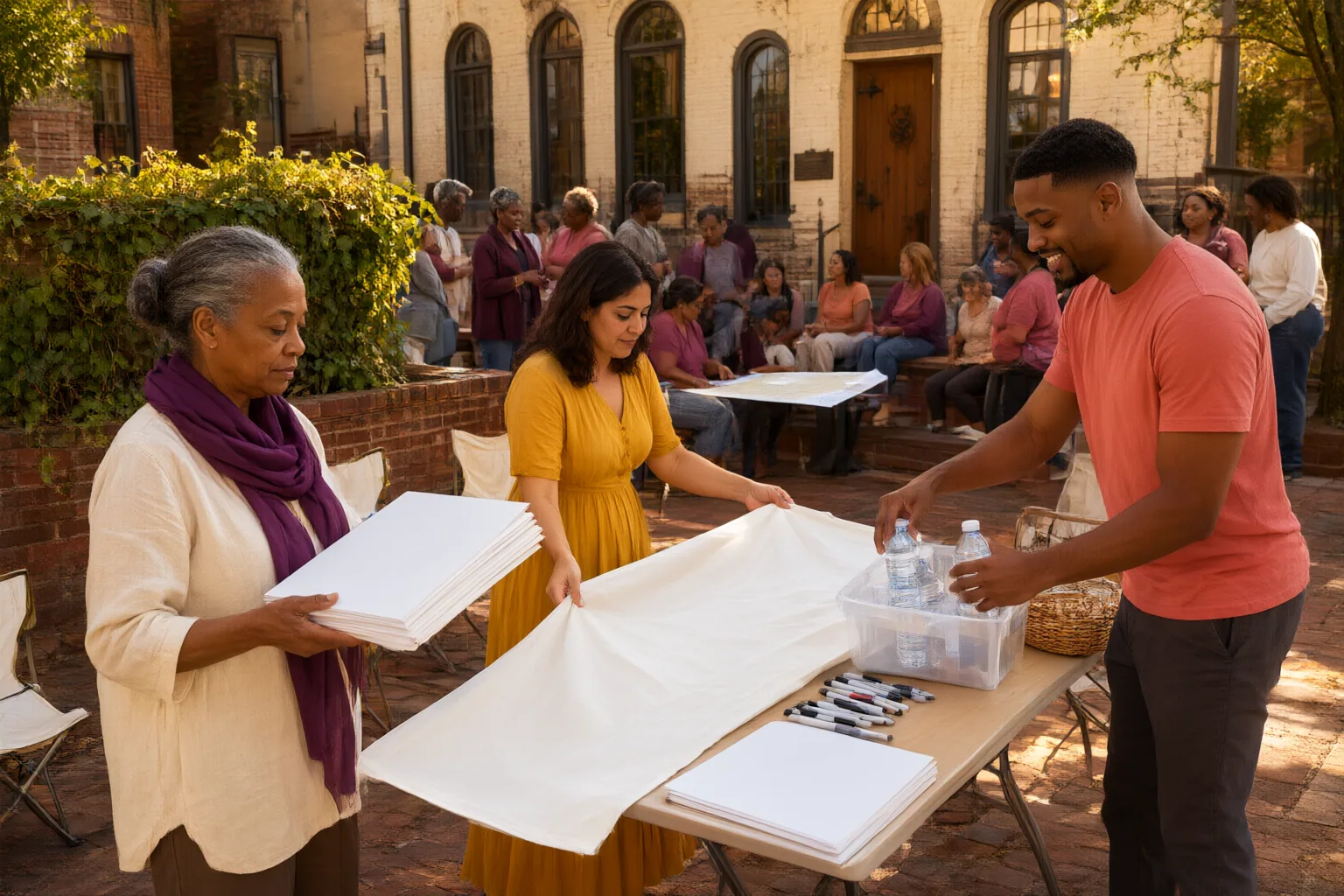
The institutional profile describes Forward Together, commonly known through the Moral Monday name, as a coalition of more than 200 progressive organizations and as a multiracial movement. Its documented range of concerns helps explain why a single mobilization could include people approaching justice work from different starting points.
Those concerns included voting rights, public education, Medicaid, and the environment, alongside the rights of women, workers, immigrants, and LGBTQ people. Rather than treating each subject as wholly separate, the coalition placed them within a shared public effort. That breadth is central to understanding the Mass Moral March: it reflected an alliance organized around multiple issues, not a demonstration confined to one policy question.
The sources establish the coalition’s composition and stated issue areas, but they do not show that every participating organization or marcher held identical priorities. A careful historical reading can recognize common action without erasing differences among participants.
Conclusion
The Mass Moral March in Raleigh belongs to the documented history of the Forward Together and Moral Monday movement. Held on February 8, 2014, it made a large, multiracial, multi-issue coalition publicly visible; it should not be presented as a current event or evidence of a present trend.
For a congregation or community group, the march can serve as a starting point for discussing how voting rights, education, health care, environmental concerns, and human rights can be considered together. Review the cited history as a group, identify which connections are relevant locally, and distinguish lessons from 2014 from the needs and conditions of organizing today.
Disclosures and limitations
- This article was prepared with AI assistance from the supplied research package. Historical claims are limited to the two identified sources, and the Common Dreams material is used only for supported publication metadata.
- No products are recommended and no affiliate relationship is involved. Readers should consult additional primary records before using this overview as a comprehensive history.
Related reading
- Spiritual Care for Courageous, Sustained Action
- Walgreens 2026 Store Closings: A Faith-Based Community Organizing Guide
Sources
- Institute for New Economic Thinking — Institute for New Economic Thinking
- Tens of Thousands in "Mass Moral March" | Common Dreams — Common Dreams