
An effective delegation meeting begins with a specific issue, a clearly stated request, the appropriate official or representative, and proposed meeting times. Because procedures and authority vary by institution, organizers should confirm local requirements instead of treating any single agency’s process as a universal rule.
Clarify the Issue and the Requested Action
Begin by reducing a broad concern to a small number of specific discussion topics. Then state what you want the official or institution to do. This recommendation draws on the Indian Health Service’s specialized Tribal Delegation Meeting process, which asks requesters to identify both the topics for discussion and the actions requested from IHS.
As an editorial planning practice, write each topic in one sentence and pair it with one concrete request. Separate confirmed facts from values, concerns, and desired outcomes. This structure can help the office understand the purpose of the meeting, but it does not guarantee that the official has authority to grant the request. Do not present the IHS requirements as rules for local government; use them as an example of how a focused request may be organized.

Identify the Official and Confirm Their Authority
Determine whether the request belongs with an individual official, a designated representative, or a governing body. IHS describes its delegation meetings as one-on-one discussions with its director or a designated representative about specific issues, concerns, or priorities. That example shows why a meeting may sometimes be handled by someone other than the person initially named.
Authority also may rest with a body rather than one member. The National Council on Disability’s bylaws state that its powers are exercised collectively and can be delegated only through the bylaws or a Council vote. Although those federal rules do not govern local officials, they illustrate a relevant question: can the person in the room act, or can they only receive information? As an editorial recommendation, review the institution’s governing information or ask the office who can hear and decide the request.
Prepare and Submit a Focused Meeting Request
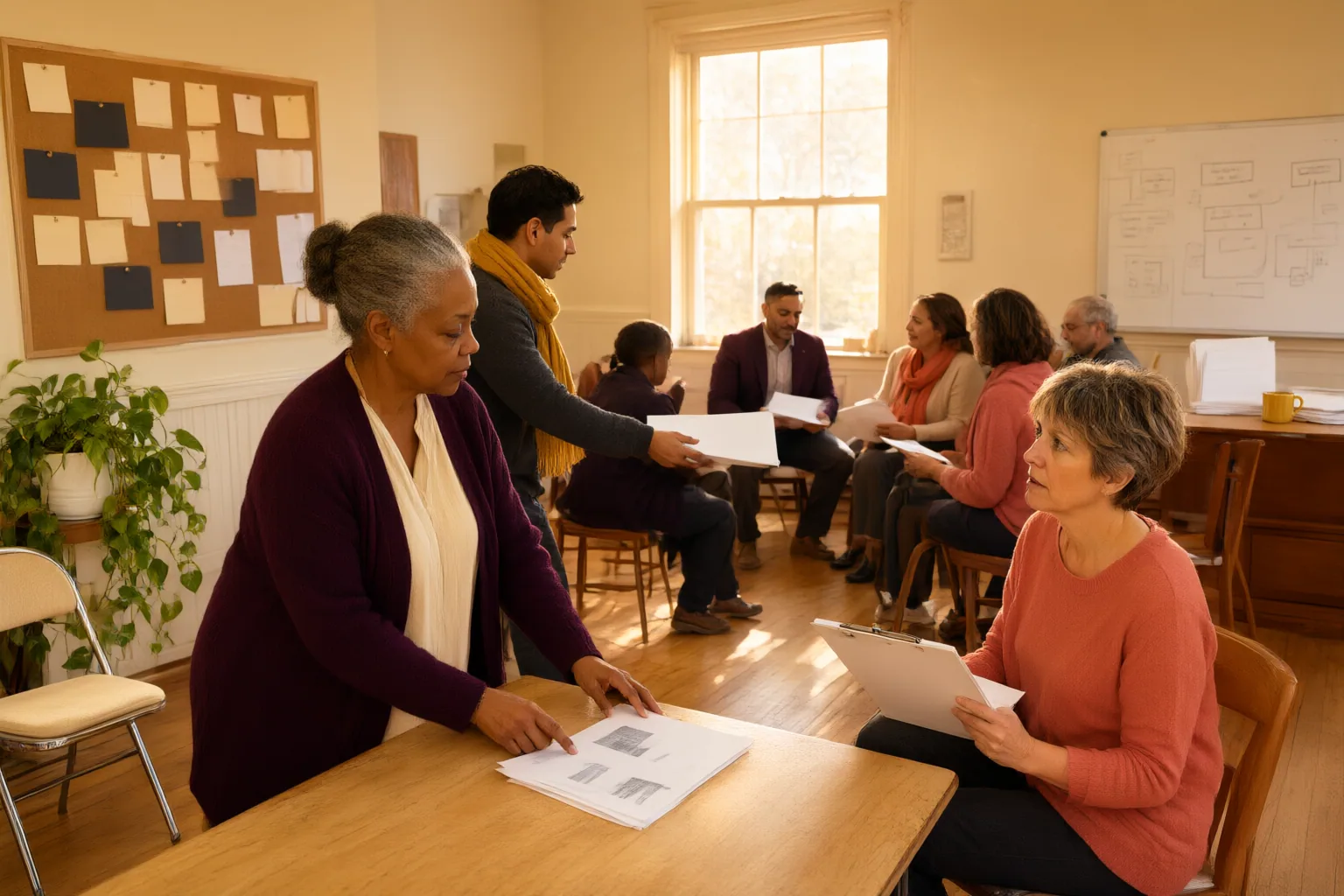
Draft a concise request that names the intended official or appropriate representative, lists the specific discussion topics, states the requested action, and offers several preferred dates and times. Include only information needed to explain the purpose and route the request.
Lead times must be verified with the local office. IHS asks for Tribal Delegation Meeting requests at least two weeks in advance, but that is a specialized agency procedure, not a universal deadline for meetings with local officials. Ask the relevant office about its submission channel, scheduling requirements, and expected response process. As an editorial safeguard, keep a copy of the request and distinguish any confirmed office requirements from your delegation’s own planning choices.
Conclusion
A focused delegation meeting request follows a practical sequence: define the issue, specify the action sought, identify the appropriate official or representative, and confirm how the institution exercises its authority. Public bodies may conduct work through meetings, hearings, forums, briefings, testimony, evidence, and collaboration, while their governing rules may reserve decisions to the body collectively.
These sources do not establish a universal local-government procedure or provide specific guidance on delegation roles, rehearsal, accessibility, follow-up, or evaluation. Treat choices in those areas as editorial planning judgments unless the relevant office supplies rules. Your next step is concrete: draft a one-page request naming the official, listing the topics, stating the requested action, and proposing several meeting times, then verify every procedural detail with the office before submitting it.
Disclosures and limitations
- This article was prepared with AI assistance from the supplied Indian Health Service and National Council on Disability source material. Recommendations identified as editorial practices are not official requirements, and readers should verify local procedures with the relevant office.
Related reading
- Action Guides for Courageous Community Action
- How to Prepare a Public-Comment Team for a City Council or School Board Meeting
Sources
- Tribal Delegation Meetings (TDMs) | Office of Direct Service and Contracting Tribes — Office of Direct Service and Contracting Tribes
- National Council on Disability | NCD Bylaws — ncd.gov