
Faith communities can organize neighborhood cooling support by identifying residents at elevated risk, choosing feasible services, coordinating with local partners, and preparing trusted facilities and communications before extreme heat arrives.
Start With the People Most at Risk
Begin with a clearly defined service area around the congregation or community institution. Resilience-hub models assign each host a geographic area, making it easier to identify vulnerable neighbors and plan outreach before an emergency.
The groups especially affected by extreme heat include older adults, young children, pregnant people, people with pre-existing health conditions, people of color, low-income residents, outdoor workers, unhoused or incarcerated people, and indoor workers without sufficient air conditioning. This list can guide planning, but it does not determine any individual’s medical needs.
Use existing community relationships to learn where support may be needed and how residents prefer to receive information. Familiar local institutions may offer an accessible alternative for people who do not use or trust government-owned emergency shelters.
Choose the Support Your Community Can Provide
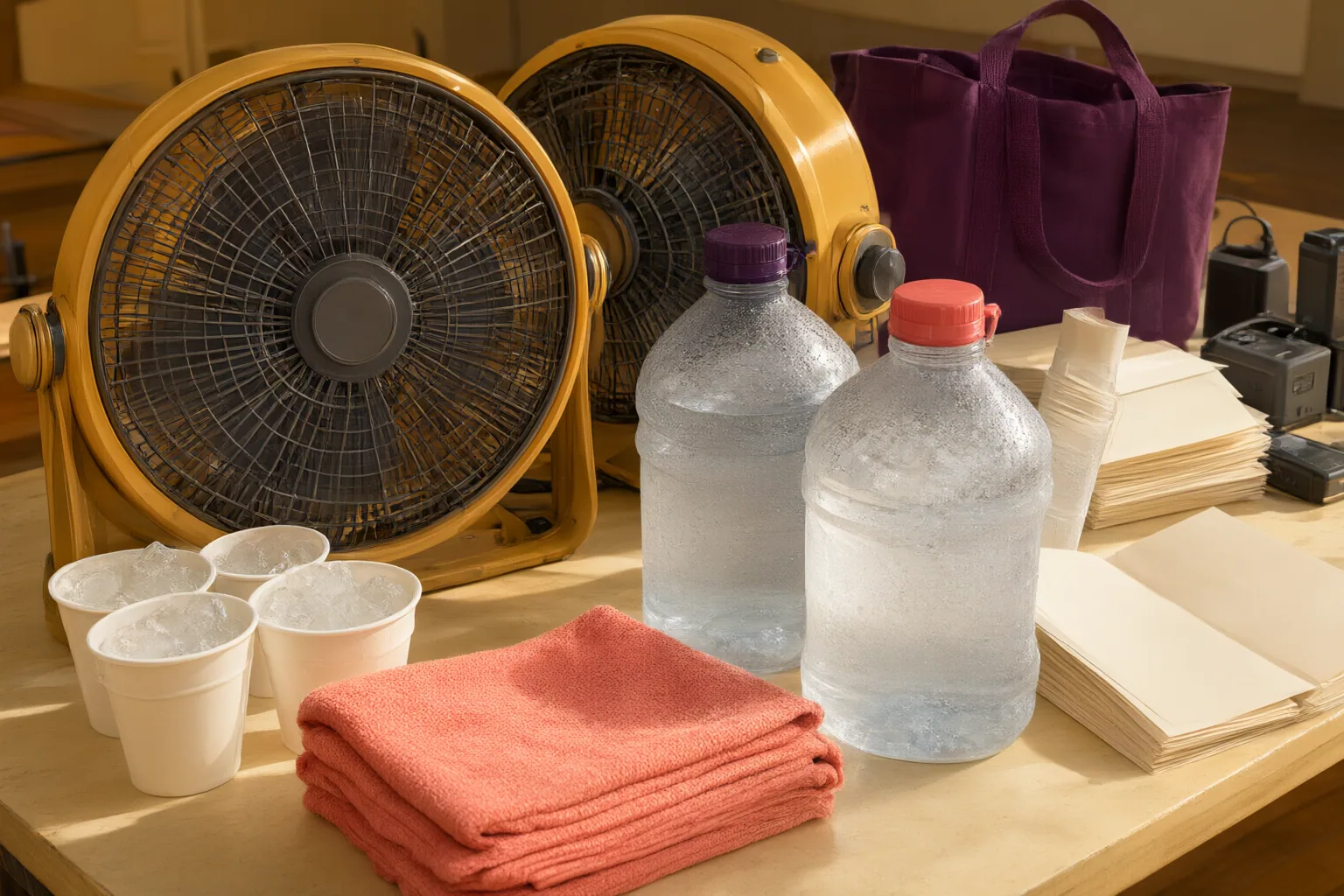
Match the response to the congregation’s facilities, volunteers, and realistic capacity. Faith leaders can begin with heat-safety education through sermons, liturgies, book studies, or other programs that explain heat dangers and ways community members can stay safe. A congregation with suitable space may also consider opening a cooling center.
Cooling support can extend beyond an air-conditioned room. Wesley United Methodist Church in Phoenix converted a dormant preschool into a cooling and respite center offering a cool place to stay, food, showers, laundry, and referrals to services such as housing. Its example shows that organizers should ask what related barriers residents face, then select services they can responsibly sustain.
Not every faith community must provide every form of assistance. A smaller response might combine education, a limited cooling space, and reliable referrals to organizations equipped to address needs beyond the congregation’s capacity.
Build Partnerships and Prepare for Outages
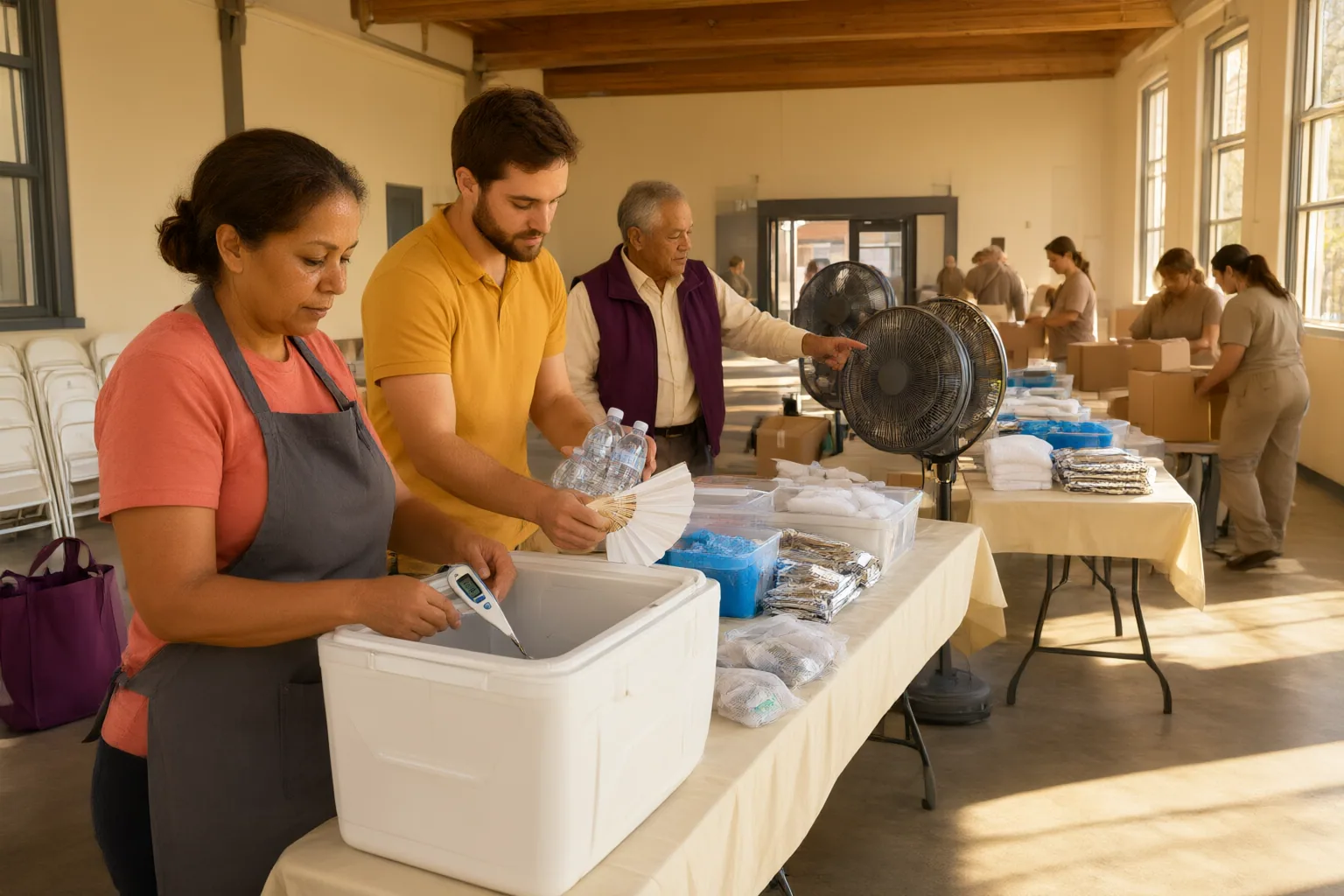
Partnerships can fill gaps in funding, expertise, staffing, supplies, and referrals. The Phoenix center was developed with seed grants, community partnerships, and donated labor and goods, demonstrating how a congregation can pool outside support instead of operating alone. Duke University’s Cooling Communities Network similarly offers faith leaders training, resources, and peer support while helping them identify actions such as opening their facilities as cooling centers.
Planning should also address power outages, which can disrupt ordinary cooling and charging options. Together Louisiana has opened 19 community lighthouses, many at houses of worship or other community institutions. These hubs are intended to provide charging during outages, cooling during heat waves, and food during emergencies.
Use that resilience-hub approach to discuss what remains possible when electricity-dependent services fail. Inventory current facilities and limitations, identify available partners, establish referral pathways, and determine whether backup energy or another locally available arrangement can support the services the community selects.
Conclusion
Start with a manageable sequence: form a small planning team, define the immediate service area, identify vulnerable neighbors, and inventory the faith community’s facilities and limitations. Contact potential partners, establish referral options, and choose feasible services such as education, cooling space, food, charging, hygiene support, or connections to other assistance.
Then prepare a communication plan that uses trusted community relationships before and during extreme heat. Schedule the first local planning meeting now, map nearby residents and services, and select one cooling-support action to prepare before the next period of extreme heat.
Disclosures and limitations
- This article was prepared with AI assistance using only the supplied research package. Material claims are based on sources identified by the attached source IDs; no products or affiliate offers are recommended.
Related reading
Sources
- Churches could become cooling centers during heat waves » Yale Climate Connections — Yale Climate Connections
- Ways churches can respond to extreme heat and climate change — PC(USA)
- Amid extreme weather, church resilience hubs provide safety — U.S. Catholic